Selecting the right roofing system is one of the most important decisions you’ll make for your commercial facility. The roof protects your operations, equipment and building structure from water damage, energy loss and costly repairs. Understanding the advantages and disadvantages of single-ply membrane systems will help you determine if it’s the right solution for your facility.
What Is Single-Ply Roofing?
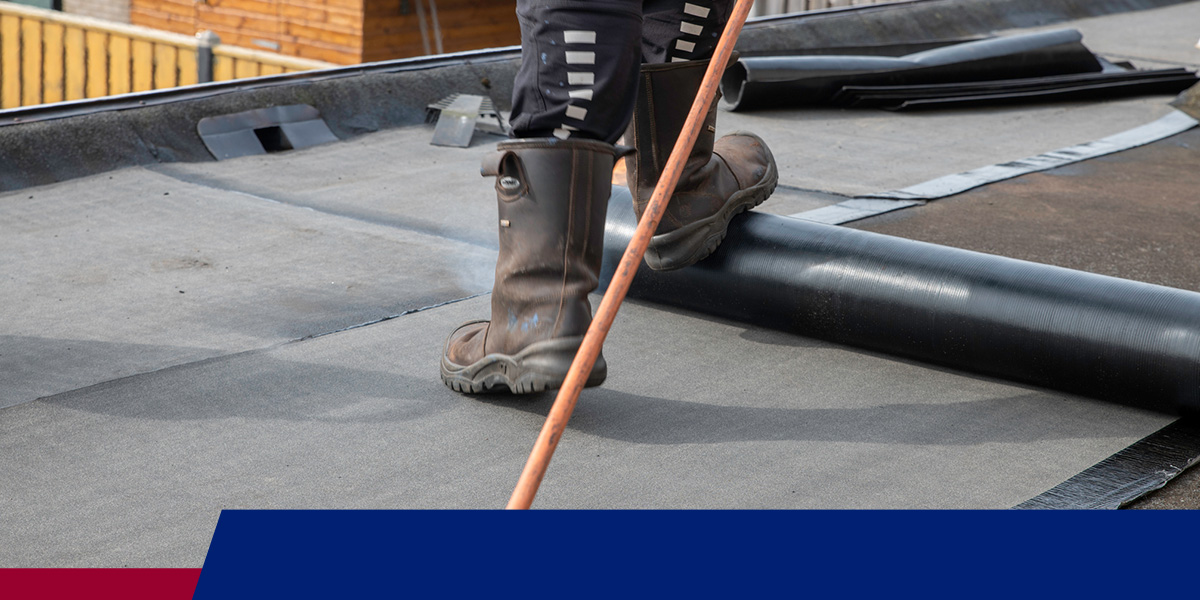
Single-ply roofing uses a single layer of synthetic rubber or plastic membrane to protect your facility. Unlike traditional built-up roofs that require crews to apply multiple layers on-site, a single-ply membrane is manufactured in a factory and arrives ready to install. Installers roll out the membrane sheets across your roof deck and join them together using heat welding, chemical adhesives or mechanical fasteners to create a watertight seal across the entire roof surface.
The most common types of single-ply roofing membrane include thermoplastic polyolefin (TPO), ethylene propylene diene monomer (EPDM) and polyvinyl chloride (PVC). While each material has distinct properties, they all follow the same fundamental principle of one durable membrane layer that protects your facility from the elements.
Advantages of Single-Ply Roofing
Single-ply membrane flat roof systems offer several benefits that make them popular for commercial applications:
- Quick installation: Because the membrane is prefabricated rather than built up layer by layer on-site, installation often takes less time than some traditional systems.
- Lightweight: Single-ply membranes add minimal weight to your building structure, which can be helpful if your roof deck has load limitations or you’re replacing an existing roof.
- Energy efficiency: Many single-ply membranes are available in white or light colors that reflect solar radiation, which may help reduce cooling costs and support energy savings.
- Proven durability: When properly installed and maintained, these systems can provide long-term performance while resisting UV radiation, ozone and many industrial chemicals.
- Manufacturer warranties: Systems from proven manufacturers like Tremco and Garland come with comprehensive warranties when installed by certified contractors.
Disadvantages of Single-Ply Roofing
While single-ply systems can deliver strong performance, the right material and installation approach depend on your facility, roof use and long-term goals:
- Maintenance needs: Like any commercial roofing system, single-ply membranes benefit from regular inspections and maintenance. Routine care can help identify punctures, wear or seam issues early and support long-term performance.
- Seam performance: Membrane seams play an important role in overall roof performance. Working with an experienced, manufacturer-certified contractor helps ensure that the sheets are properly sealed in accordance with the membrane material and system requirements.
- Material selection: TPO, PVC and EPDM each offer different performance characteristics. A knowledgeable roofing contractor can help you compare factors like seam type, chemical resistance, energy efficiency and durability to choose the right fit for your facility.
- Appearance: Single-ply systems are designed primarily for reliable commercial roof performance. For many facilities, their clean, functional appearance supports the practical needs of a flat or low-slope roof.
Get Expert Help With Your Commercial Roof
David Maines & Associates, Inc. installs and services commercial roofing systems throughout the Mid-Atlantic region. We hold manufacturer certifications for single-ply membrane systems from well-known brands, and we’ve completed projects for major organizations like Penn State.
We’ll assess your facility, recommend the best roofing solution for your needs and stay in communication throughout the entire process. Call us now at 717-248-3070 to request your free quote.
Share